
Basement window well covers can keep out rain, leaves, and pests, but it may also limit natural light or airflow. Covers commonly come in polycarbonate or metal, with different trade-offs in visibility, durability, and maintenance. The right option can improve safety while preserving emergency access—but a cover that addresses one concern may create another. Consider your window well’s needs before choosing, and contact Property Sisters Interiors for expert guidance if you’d like help weighing your options.
Key Takeaways
- Window well covers keep out rain, leaves, and other debris, and can help deter small animals and pests.
- A properly fitted, load-rated cover can reduce the risk of someone falling into the well. Check that it’s designed for the expected weight and conditions.
- Clear polycarbonate covers let in natural light and resist impact. Metal covers are sturdy, but may block more light and may need protection from rust.
- Covers can limit airflow and reduce natural light, especially if they’re solid. Consider how the design may affect ventilation and the feel of your basement.
- If the window is an emergency exit, choose a lightweight cover that opens easily from inside, and inspect it regularly to make sure it works properly. For help weighing your options, you can consult Property Sisters Interiors.
Basement Window Well Covers: Benefits at a Glance
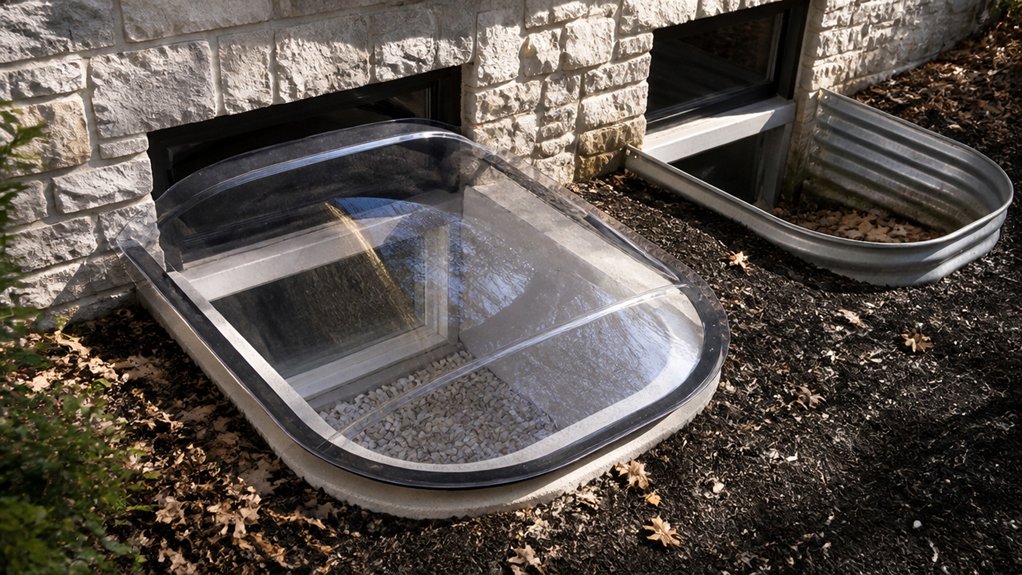
A well-fitted basement window well cover helps keep out rain, leaves, debris, and small animals while making the area safer to walk near. It can also reduce the risk of accidental falls and limit direct sunlight entering your basement.
Options range from flat grates to domed covers, so you can choose a style that suits your window well, access needs, and budget.
Consider durability when comparing materials. Polycarbonate covers offer visibility and impact resistance, while metal covers can provide sturdy support but may need rust protection.
A secure fit and appropriate load rating are essential—never assume a cover can support a person’s weight. Covers also need occasional cleaning and inspection, and may eventually require replacement.
Weigh the benefits against the cost and upkeep, and contact Property Sisters Interiors for expert help choosing an option for your home.
How Covers Keep Debris, Water, and Pests Out
A well-fitted window well cover helps keep leaves, twigs, and litter from collecting around a basement window. It can also discourage insects and small animals, though pests may still get in through gaps.
For better water protection, choose a cover that sheds rain away from the foundation rather than trapping it in the well. A cover can’t replace a working drain or proper grading, so check those systems if water pools.
For a secure fit, match the cover to your well’s shape, size, and material, and fasten the edges as directed. A stable cover is less likely to shift in wind or storms, helping limit debris and pest entry.
You can compare styles and finishes to suit your home, but prioritize durability and fit over appearance. If you need help choosing a cover, Property Sisters Interiors can offer expert guidance.
Drawbacks: Light, Ventilation, and Egress
A well-fitted cover can reduce the daylight and fresh air that reach your basement. Solid covers usually block more light than open grates, which can make the room feel dimmer, especially on cloudy days.
A cover may also limit airflow, leaving a damp basement feeling stuffier and slowing natural ventilation. You’re most likely to notice this if you rely on the window to bring in fresh air.
Pay special attention to egress. If the window is an emergency exit, a heavy, locked, or hard-to-lift cover could slow your escape or block access for rescuers. Make sure you can open the cover quickly from inside, and keep the window well clear of stored items.
Regularly check that hinges and fasteners work smoothly. If you’re weighing light, ventilation, and safety needs, Property Sisters Interiors can help you explore options that suit your home.
Choosing a Cover for Safety and Natural Light
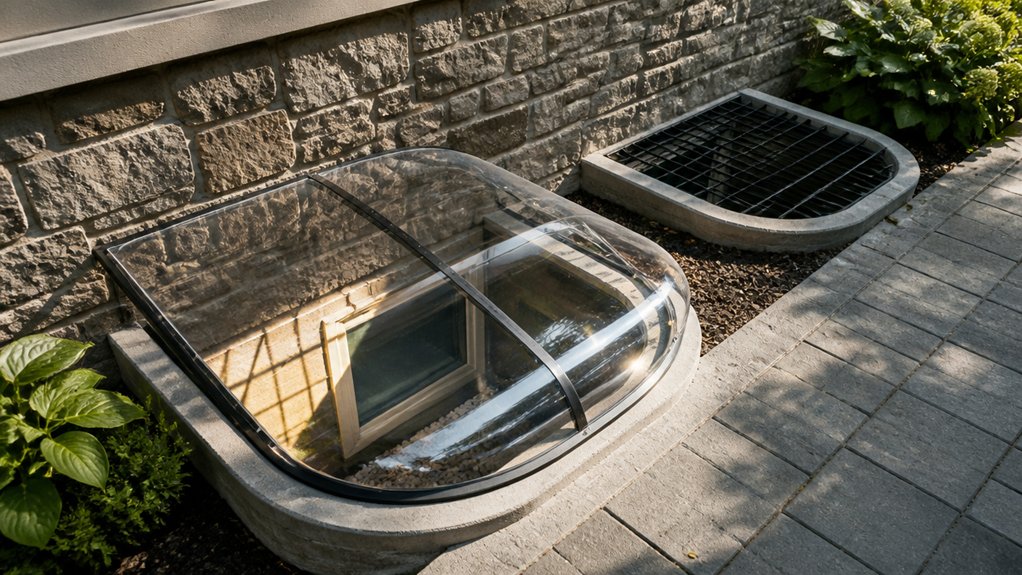
The best cover depends on how much daylight you want and how easily someone needs to open it. For an egress window, choose a lightweight, hinged cover that opens from inside without tools, and check local safety codes before buying.
Clear polycarbonate lets in more light than opaque metal, but it can scratch or cloud over time. Metal covers are durable, though the finish and design affect light and upkeep.
Measure the window well carefully and confirm the cover can handle expected loads without blocking the window or trapping water.
Choose secure fasteners that help deter unwanted entry but still allow quick release in an emergency.
A cover that suits your home can enhance its appearance, but safe access, weather resistance, and natural light should come first.
For help comparing options, you can consult the experts at Property Sisters Interiors.
Frequently Asked Questions
How Do I Measure a Basement Window Well for a Replacement Cover?
Measure the window well at its widest point, then measure its projection from the foundation to the outer edge. Note both dimensions, along with the well’s shape and the condition of the surface where the cover will attach. Check the manufacturer’s sizing instructions before ordering, since cover fit can vary by design. If you’re unsure how to measure or choose a cover, Property Sisters Interiors can help.
Can I Install a Window Well Cover Myself?
Yes, many homeowners can install a window well cover themselves with careful measuring and the right tools. Follow the manufacturer’s instructions, secure the brackets properly, and choose a durable material suited to your climate. If the fit is tricky or the work feels unsafe, contact a professional—or ask Property Sisters Interiors for expert help.
How Often Should I Inspect or Replace a Window Well Cover?
Inspect your window well cover each season and after severe storms. Replace it if it’s cracked, loose, or blocking drainage or ventilation. If you’re unsure whether it needs repair or replacement, Property Sisters Interiors can help you explore your options.
Do Window Well Covers Require Permits or Comply With Local Codes?
Permit requirements for window well covers vary by location and project. Before installing one, check with your local building department—especially if the work could affect drainage, emergency egress, or structural features. For help understanding your options, contact Property Sisters Interiors.
What Materials Are Available for Basement Window Well Covers?
Basement window well covers are commonly made from polycarbonate, acrylic, metal, or mesh. Polycarbonate and acrylic let natural light into the basement, while metal offers strong impact resistance. Mesh allows airflow and helps keep debris out, but may provide less protection from rain and snow. Options vary in shape, color, and finish, so choose a cover that fits your home, local climate, and window well. For help comparing materials and styles, contact Property Sisters Interiors.
Conclusion
A window well cover can keep out leaves, pests, and rain, but the wrong design may reduce daylight or make an emergency exit harder. A clear, hinged cover can help protect the well while allowing light in—provided it fits securely and opens easily from inside. Choose a durable cover suited to your climate, and check it regularly for damage or sticking. If you’re unsure which option fits your home, Property Sisters Interiors can help you weigh the pros and cons.