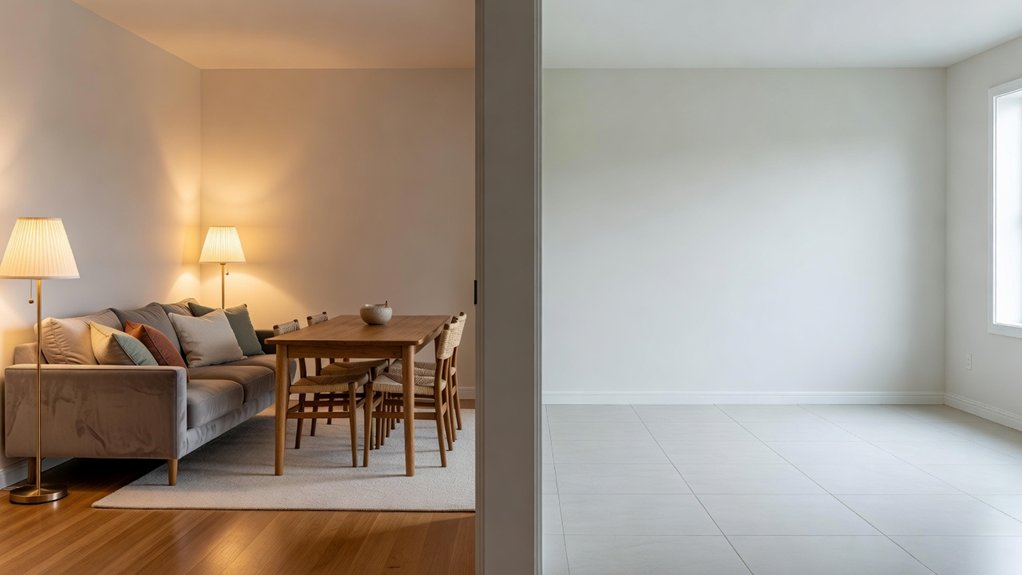
Choosing between furnished and unfurnished rentals affects more than your listing photos. It can shape your setup costs, ongoing maintenance, tenant turnover, and rental income. A furnished home may appeal to traveling professionals or students who want a move-in-ready space, while an unfurnished home may suit tenants looking for a longer-term rental. Furnished units can typically command higher rent, but furniture, upkeep, and replacement costs matter when you compare overall returns. For help weighing your options, Property Sisters Interiors can offer expert guidance.
Key Takeaways
- Furnished rentals can command higher monthly rents, especially in areas with strong demand from relocating professionals, students, or short-term tenants.
- Higher rent doesn’t always mean higher profit. Compare similar local rentals and account for furniture, maintenance, utilities, vacancy, and turnover costs.
- Furnishing a rental requires an upfront investment, plus ongoing work such as repairs, inventory checks, cleaning, and managing turnovers.
- Unfurnished rentals typically cost less to prepare and maintain. They may also appeal to tenants seeking longer stays, which can mean fewer changeovers.
- Choose the option that best fits local demand, your expected net income, and the time you can devote to managing the property. For help planning and furnishing a rental, Property Sisters Interiors can offer expert guidance.
How Do Furnished and Unfurnished Rentals Compare?
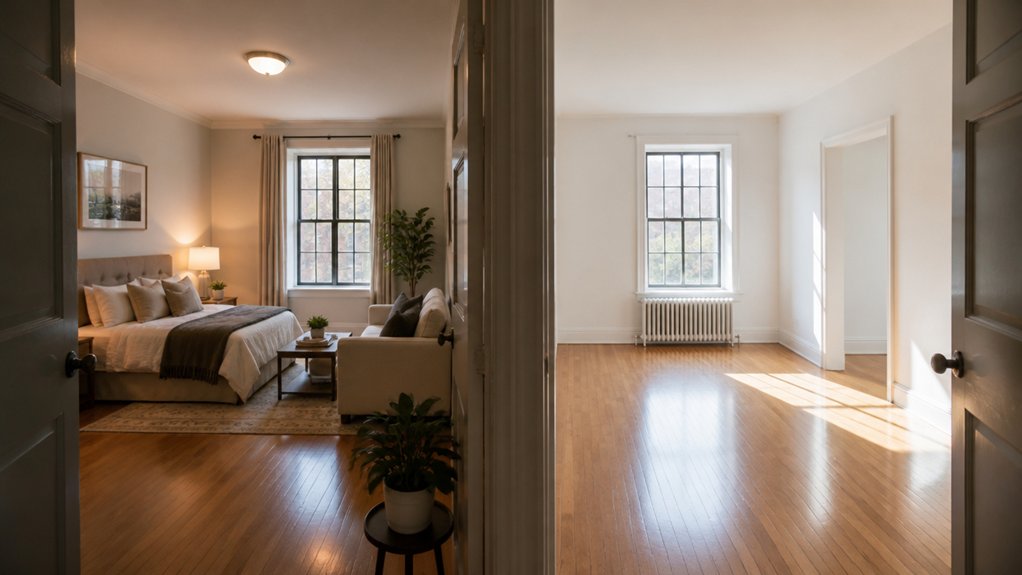
Whether you’re choosing a rental or preparing one for the market, the main difference is who provides the furniture. A furnished home typically includes essentials such as beds, seating, tables, and sometimes kitchenware.
An unfurnished rental usually includes fixed features and appliances, leaving tenants to bring their own furniture and make the space their own.
That choice affects more than moving day. Furnished rentals benefit from durable, easy-to-clean finishes and thoughtful interior design that appeals to a range of renters.
You’ll also need to maintain the furniture, replace worn items, and address damage between tenancies.
With an unfurnished property, you can focus on flooring, lighting, storage, and fixtures while tenants choose their own style.
Consider your target renter, available storage, and willingness to manage furnishings before deciding which setup best suits your property and workload.
For help planning a rental-ready interior, you can consult Property Sisters Interiors.
What Rent Can Furnished Rentals Earn?
Once you’ve chosen which furnishings to provide, consider how they may affect your rental income. A furnished home may command higher rent when it meets local demand, but a premium isn’t guaranteed. Compare similar furnished and unfurnished rentals in your neighborhood, taking lease length, layout, condition, and amenities into account.
In areas with relocating professionals or students, move-in-ready homes may appeal to renters who value convenience.
Your renovation choices can strengthen that appeal. Durable flooring, layered lighting, and thoughtful storage can make a compact home feel polished without overspending. Higher-end furnishings may suit an upscale market, while simple, versatile decor helps renters imagine making the space their own.
Set your rent using comparable properties, then adjust for your home’s location, condition, and finishes. Property Sisters Interiors can help you make design choices that fit your rental goals and local market.
How Do Furnished Rentals Affect Costs and Turnover?
Furnished rentals can bring higher setup and upkeep costs, so weigh those expenses against the rent they may earn. Budget for durable furniture, window treatments, kitchenware, and delivery, as well as replacing worn items between tenants. Choose easy-to-clean finishes and furnishings built for frequent use; a cohesive design can look polished without costly luxury amenities.
Build time into your turnover plan for inventory checks, repairs, laundry, and staging. Shorter stays typically require more frequent cleaning and can lead to faster wear, while longer leases may reduce changeover work.
Clear pet policies can help you manage extra cleaning, upholstery damage, and deposits. Track labor and replacement costs alongside vacancy days to see whether your furnishings support reliable occupancy and a worthwhile return.
For help choosing durable, rental-ready furnishings, consider working with Property Sisters Interiors.
What Do Unfurnished Rentals Save on Costs?
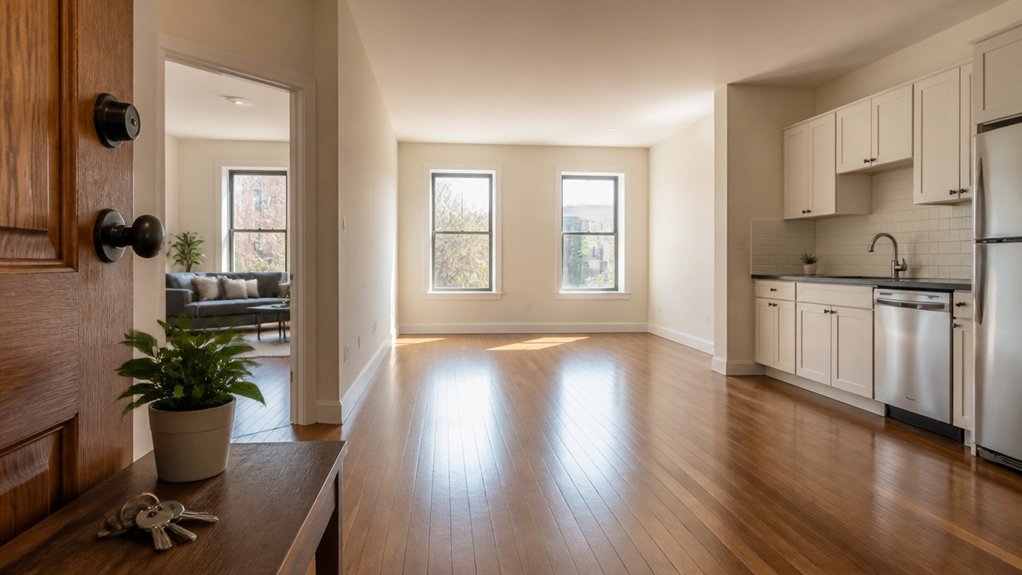
Unfurnished rentals can reduce upfront costs by eliminating the need to buy furniture, kitchenware, and décor or pay for delivery and setup. You also avoid replacing worn furnishings, repairing tenant-damaged pieces, and storing bulky items between leases. That can make turnovers simpler and leave more room in your budget for durable upgrades, such as resilient flooring, fresh paint, efficient lighting, and reliable appliances.
You’ll have fewer furnishings to inspect, clean, and maintain, but you’re still responsible for maintaining the property itself. Plan for routine repairs and choose practical finishes for high-traffic areas.
Tenants bring their own belongings, and they can choose their own décor, while neutral colors and thoughtful layouts help keep the unit appealing to a range of renters. Set clear lease terms about fixtures, alterations, and damage to protect your investment.
For help preparing an unfurnished rental, Property Sisters Interiors can offer expert guidance.
Which Rental Type Fits Your Income Goals?
Your income goals can help you decide whether a furnished or unfurnished rental is the better fit.
Furnished units may attract relocating professionals and short-term tenants, and they can typically command higher monthly rent. Plan for durable furniture, practical lighting, and easy-to-clean finishes that look appealing in photos and hold up between stays. Luxury amenities may support premium pricing, but only if local demand warrants the added expense.
If you’d rather have steadier occupancy and fewer turnovers, an unfurnished rental may suit you better. You’ll generally spend less on furnishings and upkeep, while tenants can make the space their own and may stay longer.
Compare expected rent with renovation, furnishing, utility, and vacancy costs—not just advertised rates. Flexible leases can create income opportunities, but frequent turnover takes time and effort.
Choose the approach that fits your cash-flow goals, local market, and capacity to manage the property. For help preparing a rental, Property Sisters Interiors can offer expert guidance.
Frequently Asked Questions
Are Furnished Rentals More Attractive to Short-Term Tenants?
Yes, furnished rentals can appeal to short-term tenants by offering move-in-ready comfort, a cohesive design, and essential amenities. Durable finishes, flexible lease terms, and clear pet policies can make your property more attractive. For help preparing your rental, reach out to Property Sisters Interiors.
What Furniture and Appliances Should a Furnished Rental Include?
A furnished rental needs more than stylish décor. Equip bedrooms with comfortable beds and linens, living areas with practical seating, and kitchens with cookware, dishes, and essential appliances. Prioritize reliable, easy-to-maintain items, then use thoughtful interior design and rental staging to make the property feel welcoming and guest-ready. For expert help, consider working with Property Sisters Interiors.
Do Furnished Rentals Require Special Landlord Insurance?
You may not need a separate policy for a furnished rental, but check with your insurer to confirm your landlord coverage protects furniture and appliances, includes liability protection, and covers lost rental income when applicable. Before move-in, update the lease to spell out who is responsible for damage, routine maintenance, and replacing furnishings. For help preparing a rental, Property Sisters Interiors can offer expert guidance.
Can Landlords Deduct Furniture Purchases From Their Taxes?
Yes, landlords can generally deduct the cost of furniture used in a rental property, but they typically recover the expense over time through depreciation rather than deducting the full purchase price immediately. Keep receipts and records showing how each item is used, and check current IRS rules with a tax professional. For help furnishing a rental, you can also reach out to Property Sisters Interiors.
How Can Landlords Protect Furnishings From Tenant Damage?
Protect your furnishings with practical prevention: choose durable, washable fabrics; use slipcovers and floor protectors; photograph furnishings at move-in; and spell out care expectations in the lease. Schedule regular maintenance and inspections, and address repairs promptly. For tailored advice, Property Sisters Interiors can help you choose renter-friendly furnishings and finishes.
Conclusion
The right choice depends on your local rental market, target tenants, and budget. Furnished rentals can typically command higher rents when traveling professionals or students want a move-in-ready home, but furniture costs, repairs, and more frequent turnovers can reduce returns. Unfurnished rentals generally cost less to prepare and maintain, and longer leases may offer steadier cash flow. Compare local demand, upfront costs, and vacancy risk before deciding. If you’d like help weighing your options, Property Sisters Interiors can offer expert guidance.