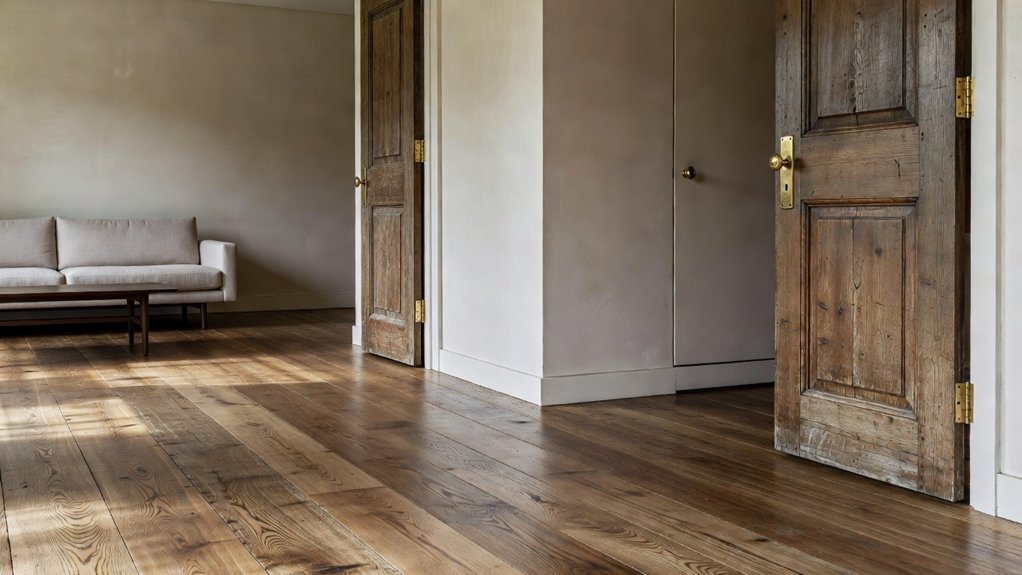
A historic home doesn’t always need a complete reset. Reclaimed floors and original doors can preserve its character while thoughtful updates improve flow, comfort, and everyday function. Refinishing the wood brings out its warmth and texture, while restoring the doors keeps their patina and craftsmanship intact. The key is pairing these details with modern finishes so the old feels authentic and the new feels at home. Start with a few considered choices, and get expert help from Property Sisters Interiors if you’d like guidance along the way.
Key Takeaways
- Before renovating, have qualified professionals assess the wiring, plumbing, insulation, and structure. Address any hidden issues before they affect the finished work.
- Preserve the character of sound reclaimed floors with gentle refinishing. Repair loose or damaged boards, and consider a low-sheen finish that lets the wood’s patina show through.
- Photograph historic doors and note their hardware and placement before removing them. Repair loose joints and damage while keeping original finishes, proportions, and hardware whenever practical.
- Bring old and new elements together with complementary paint, streamlined hardware, consistent trim, and clean thresholds. Test paint colors beside the wood in different lighting.
- Add thoughtful lighting, tailored storage, and meaningful objects that suit the home’s historic character. For help balancing preservation with a fresh, modern look, contact Property Sisters Interiors.
How Can You Modernize a Historic Home?
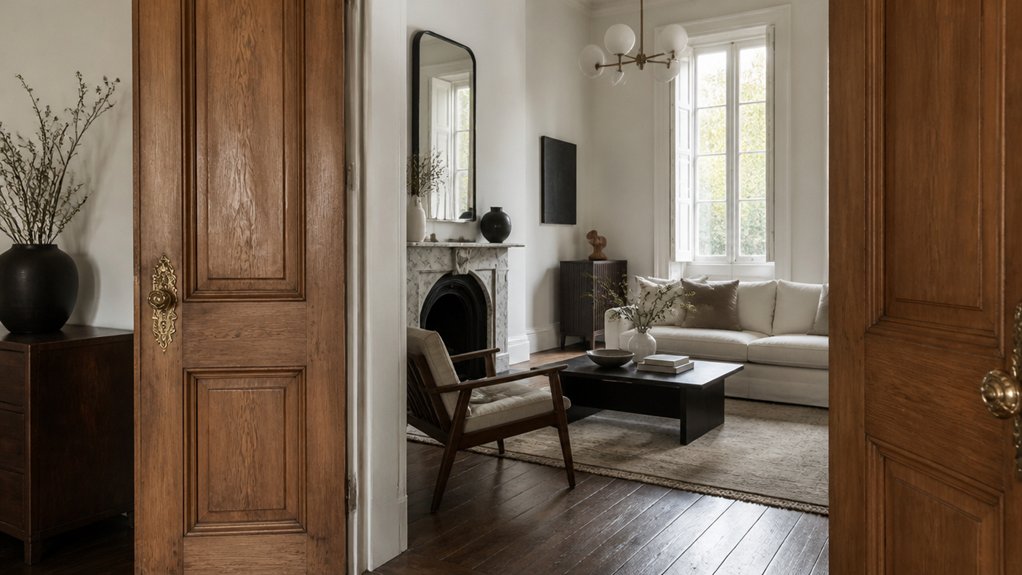
You can modernize a historic home without erasing its character by updating essential systems and improving how the space works while preserving original details. Start with a thorough assessment of the wiring, plumbing, insulation, and structure. Address hidden issues before refinishing walls or floors, and consult qualified professionals when the work calls for it.
Improve comfort with discreet upgrades, such as efficient heating and cooling, better lighting, and targeted insulation. Plan changes around the home’s original proportions, and check local preservation rules before altering historic features.
If circulation needs improvement, consider carefully placed openings rather than changes that could compromise the home’s architectural integrity.
Small kitchens and bathrooms can work harder with tailored storage, durable finishes, and appropriately scaled fixtures. Restore trim, moldings, and doors when practical; their patina adds vintage charm and creates a thoughtful contrast with new materials.
Choose colors and hardware that complement the home without trying to make new details look old. For guidance balancing function and preservation, homeowners can get expert help from Property Sisters Interiors.
What Makes Reclaimed Floors Worth Keeping?
When reclaimed floors have sound boards, refinishing can preserve your home’s history while bringing out the warmth and texture that make the wood distinctive. Original grain, saw marks, and subtle color variations give each room character that new materials may not replicate.
Before sanding, check for loose boards, hidden fasteners, and signs of moisture. A careful assessment can help prevent damage and identify repairs. A flooring professional can replace boards that are beyond repair and sand the rest gently to preserve their character.
Consider a low-sheen finish to highlight the wood’s patina without making the surface look overly polished. Reusing existing wood also reduces demand for new lumber, making it a practical choice among eco-friendly materials.
With thoughtful maintenance, reclaimed floors can offer lasting craftsmanship and vintage charm. For help assessing your floors and planning a renovation, contact Property Sisters Interiors.
How Can Historic Doors Keep Their Character?
Historic doors can keep their character when repairs preserve their original details instead of erasing them. Before removing a door, document its profile, panel layout, finish, and signs of wear. These notes can guide repairs and help match missing pieces without losing the texture that comes with age.
Ask a carpenter to stabilize loose joints, patch damaged wood with compatible materials, and retain sound layers of paint or varnish. Gentle preservation methods help protect the original surface; aggressive sanding can remove tool marks and soften crisp moldings.
Clean antique hardware carefully, then repair or reuse it whenever possible. If a lock or hinge needs replacing, choose a period-appropriate piece that fits the existing mortises.
These steps help preserve the door’s proportions, patina, and working details, keeping its history visible through everyday use. For help planning a sensitive restoration, homeowners can consult Property Sisters Interiors.
How Do Historic Features Fit Modern Finishes?
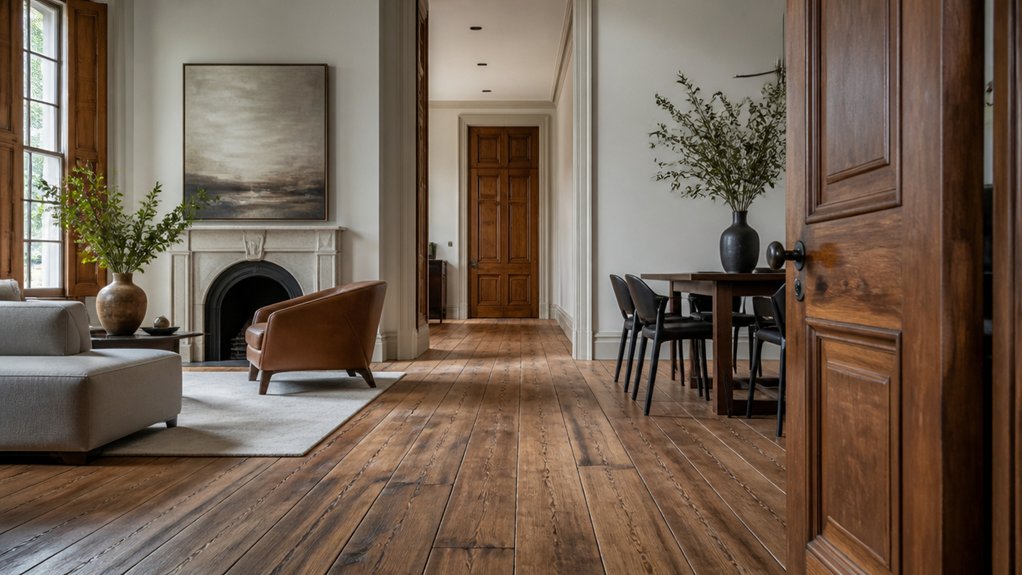
Historic floors and doors can anchor a modern palette without making a room feel dated. Pair their warm patina with crisp, low-sheen wall paint, streamlined lighting, and simple hardware. You’ll preserve vintage charm while giving the room a clear contemporary edge.
Let the wood’s undertones guide your finish choices. If reclaimed boards lean amber, balance them with cool stone or soft gray cabinetry. For cooler brown tones, try warm white plaster or brushed brass.
Keep transitions deliberate: align new flooring thresholds cleanly and use consistent trim profiles where old and new surfaces meet. These details create architectural harmony without forcing every element to match.
Before painting or sealing, test samples beside the original wood in both morning and evening light. You’ll see how color and sheen shift throughout the day and can choose finishes that complement the historic materials rather than compete with them.
For help bringing old and new elements together, consider working with the experts at Property Sisters Interiors.
Which Details Make the Renovation Feel Personal?
Once the finishes feel cohesive, personal details can make the renovation feel distinctly yours. Let the reclaimed floors and historic doors guide your choices, then add touches that reflect how you live.
A built-in bench near the entry creates a practical landing spot; a favorite textile on the cushion adds color without competing with the wood grain. Choose hardware that suits the doors’ age, perhaps in a finish that echoes your modern lighting.
In the kitchen, open shelving can display inherited ceramics alongside everyday dishes, giving the room a comfortable, lived-in feel.
These details work best when they connect with the home’s materials and your routines. You don’t need a themed collection or a dramatic statement. A few well-placed objects, tailored storage, and thoughtful lighting can make each room feel unmistakably yours.
If you’d like help bringing the details together, Property Sisters Interiors can offer expert guidance.
Frequently Asked Questions
How Much Does a Renovation Using Reclaimed Materials Typically Cost?
Costs vary based on the materials you choose, their condition, and the complexity of installation. For a realistic budget, estimate reclaimed flooring, doors, and any needed repairs separately. Reclaimed materials can support a more sustainable design, but inspect them carefully before buying. Property Sisters Interiors can help you assess options and plan your renovation.
Do Reclaimed Wood Floors Require Special Cleaning Products?
No, reclaimed wood floors don’t usually need special cleaning products. Use a pH-neutral cleaner labeled safe for wood, and avoid excess water and harsh chemicals to protect the floor’s finish, patina, and character. For tailored care advice, contact Property Sisters Interiors.
How Can You Check Reclaimed Materials for Lead or Other Hazards?
Test before you transform. Lead test kits can help screen reclaimed materials, but a certified inspector can provide more reliable results. Before sanding, cutting, or installing materials, ask for an assessment for asbestos, mold, and other hazardous substances. Property Sisters Interiors can help you plan a safer renovation.
What Permits Might a Historic Home Renovation Require?
A historic home renovation may require building, electrical, plumbing, or demolition permits. If the home is landmarked or in a historic district, you may also need approval from a local preservation office before making changes. Check local requirements before altering windows, the façade, structural elements, or protected interiors, and confirm which building codes apply. Property Sisters Interiors can help you plan your renovation and navigate the process.
How Long Does a Renovation of a Historic Home Usually Take?
A historic home renovation typically takes six months to two years, depending on the home’s condition, the scope of the work, and the time needed for approvals. Preserving original features may call for specialized craftspeople and careful planning, while hidden structural issues can add time. Property Sisters Interiors can help you plan a renovation that respects your home’s character.
Conclusion
A successful renovation balances modern comfort with the character of your home. Reclaimed floors add warmth and natural variation, while restored historic doors preserve original craftsmanship and patina. Pair these details with simple hardware, complementary colors, and practical lighting to create a space that feels fresh without losing its sense of place. Choose finishes that work with the home’s original features rather than compete with them. For help bringing old and new together, Property Sisters Interiors can offer expert guidance.