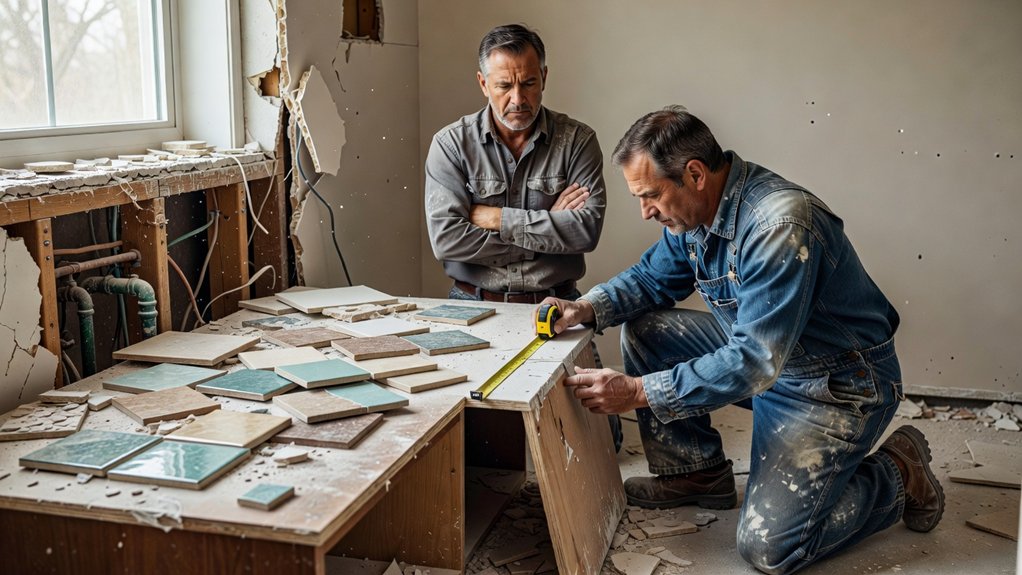
A bathroom renovation can make your daily routine more comfortable, but a few planning missteps can add cost and stress. Set a realistic budget with room for hidden repairs, and weigh layout changes carefully since moving plumbing can add work. Choose moisture-resistant finishes, and plan for ventilation, lighting, and storage before construction begins. It also helps to agree on the project scope, timeline, and communication with your contractor. For expert guidance, Property Sisters Interiors can help you plan a bathroom that works for your home and your budget.
Key Takeaways
- Don’t budget based on looks alone. Account for repairs, permits, delivery, disposal, and a contingency fund so you’re better prepared for surprises.
- Keep plumbing fixtures in their current locations when practical. Moving them can add labor, permit requirements, and delays.
- Choose materials suited to each surface, including moisture-resistant options and flooring designed to reduce slipping. Follow the manufacturer’s care and sealing instructions.
- Plan ventilation, layered lighting, storage, and clearances before you buy fixtures or begin work.
- Ask your contractor for a written scope that outlines itemized costs, responsibilities, milestones, payment terms, and how changes will be approved. For help planning your renovation, Property Sisters Interiors can offer expert guidance.
Set a Realistic Bathroom Renovation Budget
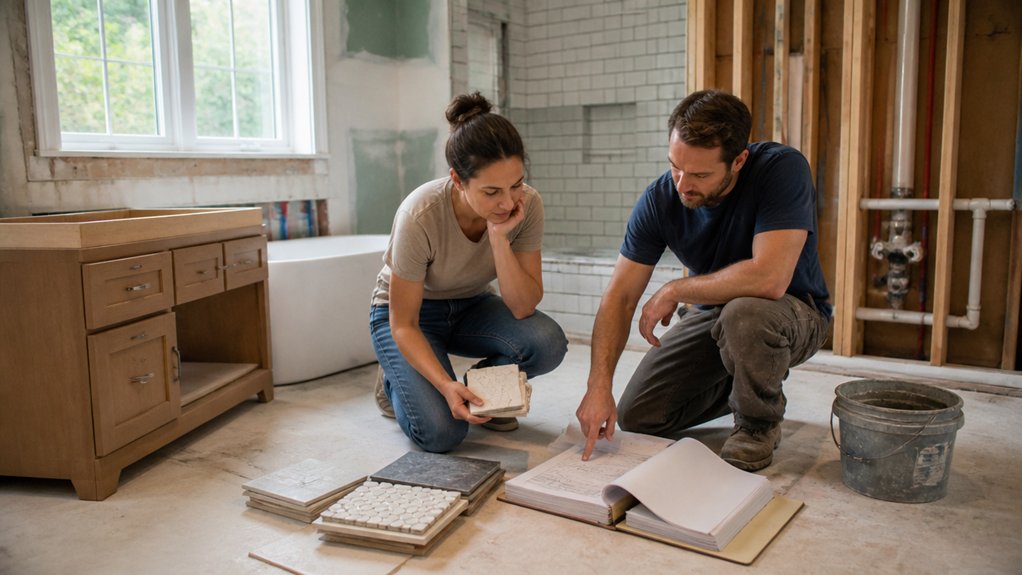
Before choosing finishes or fixtures, set a bathroom renovation budget based on what the room needs—not just the look you want. List necessary repairs, such as damaged tile, worn plumbing, or poor ventilation, and get local estimates for labor and materials. Set aside a contingency for hidden damage or price changes; older bathrooms may conceal problems behind walls or beneath floors.
Separate essentials from upgrades so you can adjust your choices without compromising safety or function. A few high-impact details, such as lighting or hardware, can add a personal touch while keeping spending in check.
Compare durable materials and eco-friendly options, including water-saving fixtures, by upfront cost and potential long-term savings. Before approving a quote, confirm whether it includes taxes, permits, delivery, and disposal fees.
Keep a written spending limit and track every purchase. If you’d like help planning your project, Property Sisters Interiors can offer expert guidance.
Keep Your Existing Layout to Control Costs
Once you’ve set your budget, keep the toilet, sink, and shower or tub in their current locations if possible. Moving plumbing can involve extra labor, permits, and wall or floor repairs, which can quickly increase costs. Instead, focus on targeted updates: replace a worn vanity with one that fits the existing footprint, add storage, or upgrade the lighting.
If the room feels cramped, measure clearances and door swings before choosing new fixtures. Even small changes can affect everyday comfort. Ask your contractor to inspect the pipes and drains before work begins, since hidden issues may need attention.
Save your budget for essential repairs and improvements you’ll notice, such as a fresh mirror or updated hardware. For help planning a practical bathroom refresh, contact Property Sisters Interiors. Use DIY tips for simple tasks, but leave plumbing work to licensed professionals.
Choose Materials That Handle Bathroom Moisture
Choose materials that can handle bathroom moisture and are easy to maintain. For floors and shower walls, look for tile rated for wet areas, and make sure the grout and substrate are appropriate for moisture exposure. Porcelain is a low-absorption option, while a textured finish can provide better traction underfoot. If you choose natural stone, seal it and reseal it as recommended by the manufacturer.
On walls and ceilings outside direct-spray areas, use paint formulated for bathrooms. Proper preparation matters: paint won’t protect surfaces that are damp, dusty, or peeling.
Choose moisture-tolerant trim and cabinetry, and keep untreated wood away from sinks and tubs. For countertops, consider nonporous materials that resist staining and swelling when exposed to water.
Before you buy, check each product’s care instructions so you know how to maintain its protective qualities.
For help choosing materials that suit your bathroom, Property Sisters Interiors can offer expert guidance.
Plan Ventilation, Lighting, and Storage Before Work
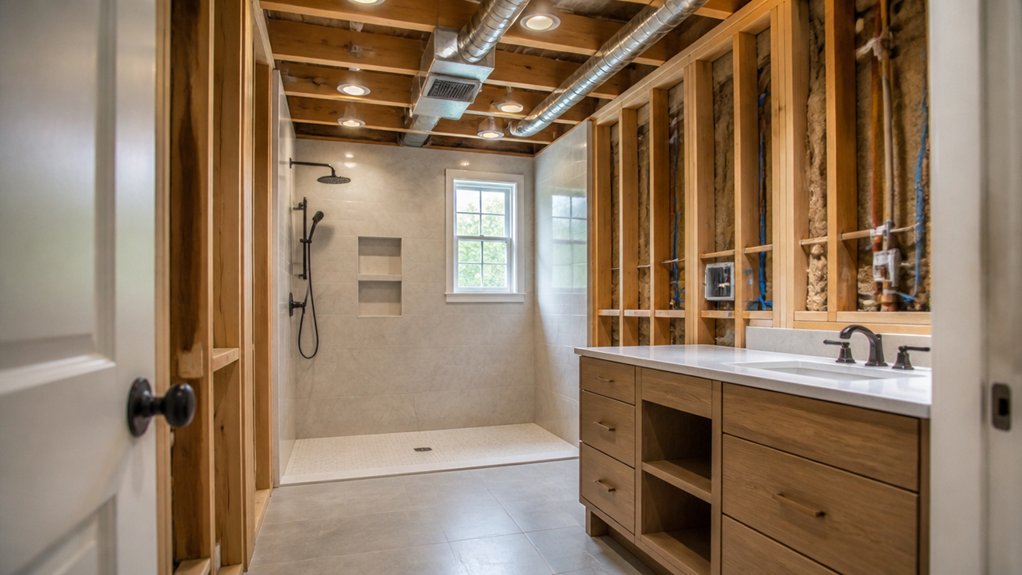
A bathroom can look finished yet still feel uncomfortable if ventilation, lighting, and storage aren’t planned from the start. Decide where each feature will go before work begins, while there’s still time to adjust the layout.
Choose a ventilation fan suited to your room and position it to remove moisture effectively. Plan a duct route that vents outdoors—not into an attic—and consider the fan’s noise level so you’ll be more likely to use it.
For lighting, combine bright, even overhead illumination with task lighting near the mirror. Place switches within easy reach, and choose fixtures rated for damp locations where appropriate.
Plan storage around your daily routines. Add drawers or shelves near the sink for toiletries, and set aside space for towels and cleaning supplies.
Check door swings and clearances to make sure cabinets won’t block access or make the room feel crowded.
If you’d like help coordinating these details, Property Sisters Interiors can offer expert guidance.
Confirm Your Contractor’s Scope, Schedule, and Costs
Before work begins, get your contractor’s scope, schedule, and costs in writing. List each task, material, fixture, and finish, and clarify who’ll supply and install each item. Confirm that the estimate covers demolition, plumbing, electrical work, waterproofing, permits, cleanup, and disposal. Clear details help prevent misunderstandings about what the price includes.
Ask for a timeline with expected start and completion dates, key milestones, and inspection points. Discuss what could cause delays, how the crew will protect your home, and when you’ll need to choose materials or approve changes.
Agree on payment amounts and due dates, and avoid paying the full balance upfront. Require written approval for any change order, including its cost and effect on the schedule, before the work proceeds.
Also agree on how the contractor will keep you informed, who your main contact will be, and how urgent issues will be handled. If you’d like help reviewing your plans or selections, Property Sisters Interiors can provide expert guidance.
Frequently Asked Questions
Do I Need a Permit for a Bathroom Renovation?
You may need a permit for a bathroom renovation, depending on your location and the work involved. Permits are often required for plumbing or electrical updates, structural changes, or changes to the room’s layout. Check with your local building department before work begins, or contact Property Sisters Interiors for expert guidance.
How Long Does a Typical Bathroom Renovation Take?
A bathroom renovation typically takes two to four weeks, depending on the scope of work and whether any unexpected repairs come up. Planning ahead can help keep things on track. Allow extra time for permits, design decisions, budgeting, and material delays. Property Sisters Interiors can offer expert guidance with planning and design.
Where Can I Stay While My Bathroom Is Under Renovation?
You can stay with family or friends, book a hotel or short-term rental, or arrange temporary accommodations close to home. If you stay in your house, make sure you’ll have access to another bathroom and plan around your household’s needs before work begins. For help planning your renovation, contact Property Sisters Interiors.
How Should I Prepare My Home Before Renovation Work Begins?
Before renovation work begins, clear the work areas, protect floors and nearby surfaces, and move valuables to a safe place. Arrange furniture to keep pathways open, and set up storage for everyday essentials you’ll need during the project. Confirm where and how utilities can be shut off, secure pets, and agree on contractor access and work hours. For help planning your home’s setup, reach out to Property Sisters Interiors.
What Should I Do if Unexpected Damage Is Discovered During Demolition?
When demolition reveals unexpected damage, pause work if it’s safe to do so and let dust settle before taking clear photos. Notify your contractor and ask what needs immediate attention, what repairs can wait, and how the damage may affect the project’s scope or timeline. Keep written records of recommendations and costs, and contact your insurer promptly to ask whether the damage may be covered before repairs begin. Property Sisters Interiors can help you understand next steps and coordinate with your project team.
Conclusion
A stress-free bathroom renovation starts with smart decisions before demolition. Set aside a contingency fund for unexpected issues, keep plumbing in place when practical, and choose finishes that can handle moisture. Plan ventilation, lighting, and storage around your daily routine. Before work begins, get your contractor’s scope, schedule, and costs in writing. These steps can help you catch problems early and keep the project on track. For expert guidance, Property Sisters Interiors can help you plan a bathroom that works for your home and lifestyle.