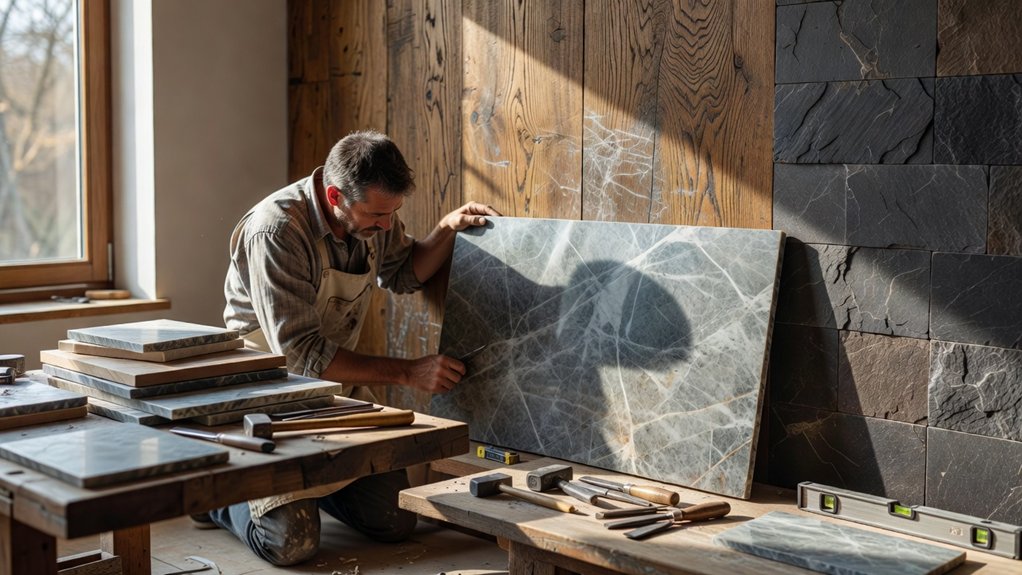
A high-end renovation with reclaimed marble, wood, and slate takes more than beautiful materials. Start with a cohesive plan, a realistic budget, and a close look at each piece’s condition and history. Balance the marble’s veining, the wood’s patina, and the slate’s texture with modern finishes to create a home that feels both refined and welcoming. Before you commit, consider where each material will work best and what care it will need. For help bringing the details together, Property Sisters Interiors can offer expert guidance.
Key Takeaways
- Choose a cohesive palette and architectural style before sourcing reclaimed marble, wood, or slate. Property Sisters Interiors can help you bring the materials together into a clear design plan.
- Inspect each piece for cracks, rot, warping, hidden repairs, and suitability for its intended use. Ask suppliers about a material’s history and any restoration it may need.
- Compare supplier quotes and account for installation, restoration, delivery, and possible damage. Costs can vary depending on the material’s condition, availability, and preparation needs.
- Balance weathered surfaces with streamlined cabinetry, modern fixtures, and simple finishes for a polished, livable look.
- Use each material where it will perform well, seal stone as recommended, and follow care instructions tailored to each surface.
Plan a Cohesive Design With Reclaimed Materials
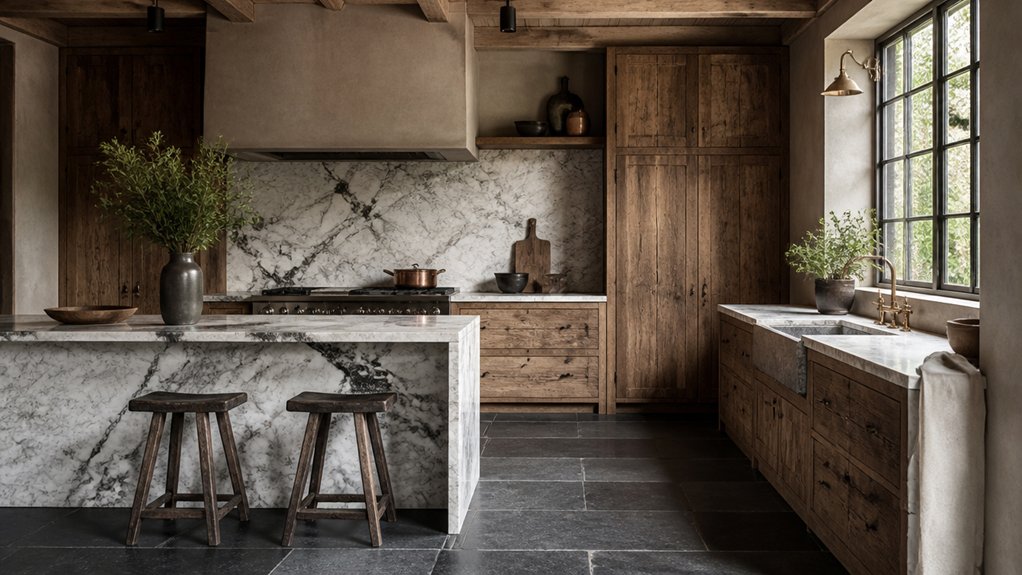
A cohesive renovation starts with a clear design direction—not a collection of salvage finds. Before choosing reclaimed marble, wood, or slate, define the palette, finishes, and architectural character you want throughout your home. This framework helps you select materials that complement one another rather than compete for attention.
Use reclaimed materials to add texture and history with intention. Pair veined marble with simple cabinetry, or balance weathered wood with clean-lined fixtures. Slate can anchor a room as flooring or a fireplace surround; echo its tones elsewhere to create continuity.
For vintage character, edit carefully: one distinctive beam or stone surface can make a stronger statement than several unrelated accents.
Sustainability can guide your choices, too. Prioritize materials whose color, scale, and condition suit your design, and plan how each piece will connect visually from room to room. If you’d like help bringing the elements together, Property Sisters Interiors can help you shape a cohesive plan.
Set a Budget for Reclaimed Materials and Installation
Price reclaimed materials based on their type, condition, availability, and finishing needs so your estimate reflects the full cost.
Budget for installation labor separately, including any specialized handling, repairs, or precise fitting.
Keep a contingency fund for hidden damage, sourcing changes, and other surprises.
For help planning your budget, contact Property Sisters Interiors.
Material Cost Estimates
Set a realistic budget by listing reclaimed materials and installation separately. Salvage costs vary with rarity, condition, and sourcing, while labor depends on preparation, repairs, and fitting.
Compare supplier quotes based on usable square footage rather than headline price. Reclaimed marble may cost more for distinctive veining, while slate pricing typically varies with thickness, finish, and consistency across the lot.
Wood costs depend on species, age, grade, and milling needs.
Before you commit, ask about each material’s provenance, dimensions, defects, and available quantity. Documented historical origins may justify a higher cost if they strengthen your design story.
Balance that value against durability: inspect samples for cracks, warping, stains, and wear.
Set aside a contingency for breakage or hard-to-find matching pieces, and budget for delivery, taxes, and storage.
Property Sisters Interiors can help you evaluate materials and plan a practical budget.
Installation Labor Budget
After pricing reclaimed materials, budget separately for skilled installation labor. Reclaimed marble, wood, and slate may require extra preparation: installers might need to sort irregular pieces, adjust the layout, and protect fragile surfaces. Ask contractors to break down labor by task, including substrate preparation, cutting, setting, finishing, and cleanup.
Compare bids by scope and experience, not price alone. Precise joints and consistent reveals can make a noticeable difference in the finished look. Before work begins, confirm who’s responsible for delivery, acclimation, and material inspection.
Save DIY work for tasks you can complete safely without risking the fit, finish, or warranty, such as simple painting or hardware installation. For specialty stonework or reclaimed flooring, look for tradespeople with relevant references and verify their schedule, insurance, and installation methods.
Property Sisters Interiors can also help you plan your project and find the right expertise.
Contingency Fund Planning
How much should you reserve for surprises? Set aside a contingency based on the risks in your reclaimed-materials and installation budget.
Older marble, wood, and slate may conceal cracks, uneven thickness, hidden fasteners, or prior repairs that only come to light during inspection or installation. A reserve can help cover unsuitable pieces without forcing design changes or delaying other trades.
Ask your supplier about breakage allowances, confirm your installer’s rates for extra cutting or substrate preparation, and account for possible delivery surcharges. Keep the contingency separate from your finish selections, and require approval before anyone uses it.
Document the materials’ condition before transport, and check whether your insurance covers reclaimed pieces in transit and on site. For help assessing potential risks, consult an experienced design professional, such as Property Sisters Interiors.
If you don’t use the full reserve, return the balance to your project budget rather than treating it as an upgrade fund.
Source Reclaimed Marble, Wood, and Slate
Source reclaimed marble from architectural salvage yards and specialty stone dealers, where you can examine the veining, thickness, and condition in person.
For reclaimed wood and slate, ask reputable salvage suppliers about the materials’ provenance, grading, and available quantities before settling on a design.
Confirm each material’s dimensions and suitability for its intended use.
If you’d like help evaluating your options, Property Sisters Interiors can offer expert guidance.
Reclaimed Marble Sources
When sourcing reclaimed marble, wood, or slate, look for materials with documented origins, sound condition, and dimensions that suit your project.
For marble, start with architectural salvage dealers, stone reclamation yards, and specialists who recover slabs from hotels, estates, and commercial buildings. Ask about the stone’s previous use, quarry identification if available, and any repairs or treatments.
Inspect each slab in person when possible. Check for cracks, filled fissures, stains, uneven wear, and enough thickness for your intended application. If you can’t visit, request clear photos and measurements.
Reclaimed marble’s distinctive veining and patina can add vintage character to kitchens, bathrooms, and fireplaces, while reuse helps reduce demand for newly quarried stone.
Before buying, confirm the requirements for transport, cutting, and installation so the slab will work for your space.
Property Sisters Interiors can help you assess reclaimed materials and plan how they’ll fit into your design.
Salvaged Wood and Slate
For salvaged wood and slate, look for documented provenance, sound condition, and dimensions suited to your renovation. Ask suppliers about a wood beam’s previous use, species, moisture content, and any treatments. For slate, confirm its source, thickness, and condition. These details help you choose materials with confidence and avoid installation surprises.
Check wood for active pests, rot, splits, and concealed metal. Have a qualified professional assess any pieces intended for structural use. For slate, look for delamination, cracks, and consistent sizing, especially if you’re matching an existing floor or roof. Choose finishes that protect performance while preserving the materials’ character.
Property Sisters Interiors can help you evaluate options and coordinate materials with your renovation plans.
Reclaimed boards can bring vintage charm to cabinetry, flooring, or exposed beams, while slate adds texture and durability. Reusing these materials can extend the life of existing resources and give your home a distinctive look.
For a cohesive result, consider how the patina, scale, and finish will complement your home’s architecture.
Inspect Reclaimed Materials for Damage and Wear
Before reclaimed wood, stone, or metal earns a place in your renovation, inspect it for structural damage and wear. Examine each piece in bright, even light, including its edges, underside, joints, and other concealed surfaces. Look for cracks, rot, insect channels, loose fasteners, delamination, and deep stains that may indicate moisture damage.
Check stone for unstable fissures and slate for flaking layers; make sure marble veining isn’t hiding fractures. Gently probe suspect areas in wood, and pass on pieces that feel soft or crumble.
A careful wear assessment helps distinguish a desirable patina from deterioration that could affect performance. Check for signs of authentic aging, such as tool marks and natural variation, rather than relying on surface effects alone.
Ask the seller about previous treatments, repairs, and storage conditions. Document any defects and factor the likely restoration work into your budget before buying.
If you’re unsure what to look for, Property Sisters Interiors can help you assess reclaimed materials for your project.
Choose the Right Room for Marble, Wood, and Slate
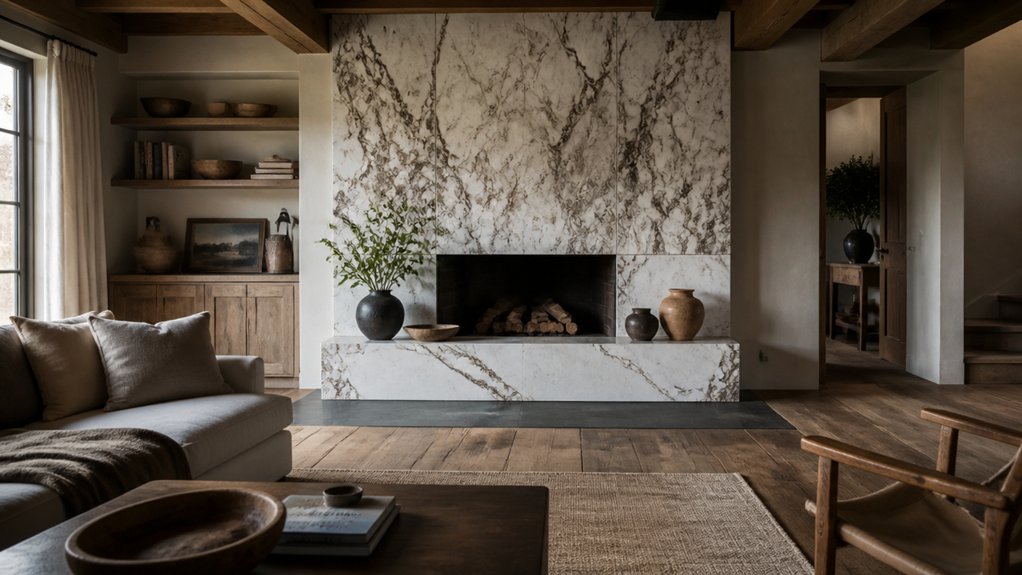
Once reclaimed materials pass inspection, choose rooms that suit their performance and character. In kitchens and bathrooms, marble can work well on vanities, backsplashes, and lower-traffic countertops. Seal it as recommended and expect acids such as lemon juice or vinegar to etch the surface.
Slate’s dense, textured finish makes it a practical choice for entryways, mudrooms, and fireplace surrounds, where traction and durability matter.
Reclaimed wood brings warmth and patina to living rooms, bedrooms, and dining rooms, where it can anchor floors, beams, or shelving. Avoid using it in persistently damp areas unless it’s properly protected.
Consider lighting, too. Marble veining can add interest to a dim hallway, while angled light can bring out slate’s tonal variation.
If a material’s weight, upkeep, or irregular dimensions make a full installation impractical, use smaller pieces as decorative accents.
Before committing, assess traffic, moisture, and maintenance needs. For help choosing the right material and placement, consult Property Sisters Interiors.
Pair Reclaimed Surfaces With Modern Finishes
Pair reclaimed surfaces with clean-lined finishes to keep a room from feeling overly rustic. Set weathered marble beside flat-front cabinetry, slim metal hardware, or a frameless glass partition. The contrast brings out the stone’s veining without competing with its character.
For reclaimed wood, consider smooth plaster, polished concrete, or a restrained mix of contemporary lighting and furniture. These thoughtful pairings help balance visual weight and create a polished blend of old and new.
Use slate as a grounded accent, then add crisp white walls or matte black fixtures to highlight its texture. You’ll preserve the character of each material while giving the room a distinctly current feel.
Reusing salvaged materials can also support more sustainable design by extending their useful life. If you’d like help choosing finishes that work together, Property Sisters Interiors can help you create a balanced plan.
Care for Reclaimed Marble, Wood, and Slate
How do you preserve the character of reclaimed marble, wood, and slate without speeding up wear? Match your care routine to each material’s porosity and finish.
Wipe marble with a soft cloth and a pH-neutral cleaner. Blot acidic spills promptly, since they can etch the stone.
For reclaimed wood, dust regularly, clean with a damp—not wet—cloth, and refresh protective oil or wax as needed.
Sweep grit from slate before it can scratch the surface, then clean with a mild, stone-safe solution.
Build seasonal inspections into your routine. Check grout, sealant, loose boards, and edges exposed to moisture.
Reseal marble or slate when water no longer beads on the surface, following the sealer manufacturer’s instructions.
Avoid glossy coatings that hide the material’s natural texture, and keep spare material on hand for discreet repairs.
If you’re unsure how to care for a particular finish or repair damaged pieces, Property Sisters Interiors can offer expert help.
When materials or finishes can’t be reused, look for a local salvage or recycling service before sending them to a landfill.
Frequently Asked Questions
Do Reclaimed Materials Increase a Home’s Resale Value?
Yes, reclaimed materials can boost a home’s resale appeal when they add historic character, design flexibility, and quality craftsmanship. They may attract buyers who value sustainability and distinctive details, but the return depends on the materials’ condition, installation quality, and what buyers in your neighborhood prefer. For guidance on incorporating reclaimed materials, you can get expert help from Property Sisters Interiors.
Are Reclaimed Marble, Wood, and Slate Environmentally Sustainable?
Yes, reclaimed marble, wood, and slate can be environmentally sustainable because reusing them can reduce demand for newly extracted materials and keep usable materials out of the waste stream. They also bring distinctive character and texture to a home. Check the material’s source, condition, and durability, and make sure any finishes or treatments are appropriate for indoor use. For help choosing reclaimed materials, contact Property Sisters Interiors.
Can Reclaimed Materials Be Used With Radiant Floor Heating?
Yes, reclaimed materials can work with radiant floor heating. Reclaimed marble and slate transfer heat efficiently. Reclaimed wood may also be suitable, but check its moisture content, thickness, and compatibility with your heating system before installation. Your heating-system installer can help confirm the right approach, and Property Sisters Interiors can offer expert guidance on selecting and using reclaimed materials.
Do Reclaimed Surfaces Require Special Installation Permits?
Reclaimed surfaces don’t automatically require special permits. However, local regulations may apply if the installation involves structural changes, historic materials, or potentially hazardous finishes. Before work begins, check with your local building department and a licensed installer. Property Sisters Interiors can also help you understand your project’s requirements.
How Can Reclaimed Materials Improve Indoor Air Quality?
Reclaimed materials can improve indoor air quality by reducing the need for newly manufactured finishes that may release emissions. Before bringing salvaged materials into your home, verify their source, remove old coatings when appropriate, and use safe sealants. Property Sisters Interiors can help you choose and prepare reclaimed materials for your space.
Conclusion
A high-end renovation with reclaimed marble, wood, and slate takes careful planning. Even well-chosen materials can vary in color, texture, and condition, so inspect each piece and plan for expert installation. Marble can bring understated elegance to bathrooms, slate can stand up to busy entryways, and reclaimed wood can add warmth to living spaces. With the right finishes and attentive care, these materials can feel timeless rather than overly staged. For help planning a cohesive renovation, homeowners can turn to Property Sisters Interiors.